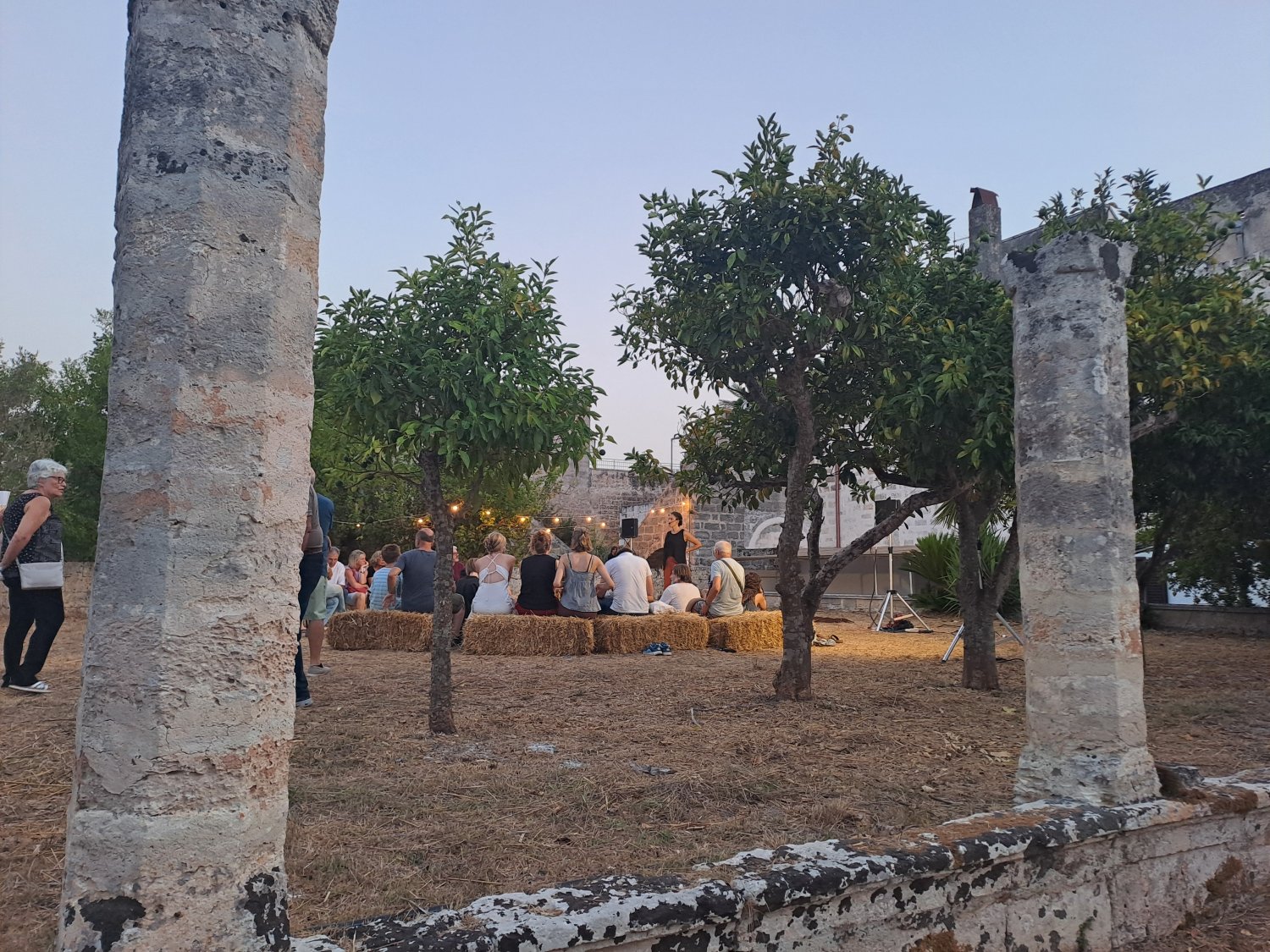
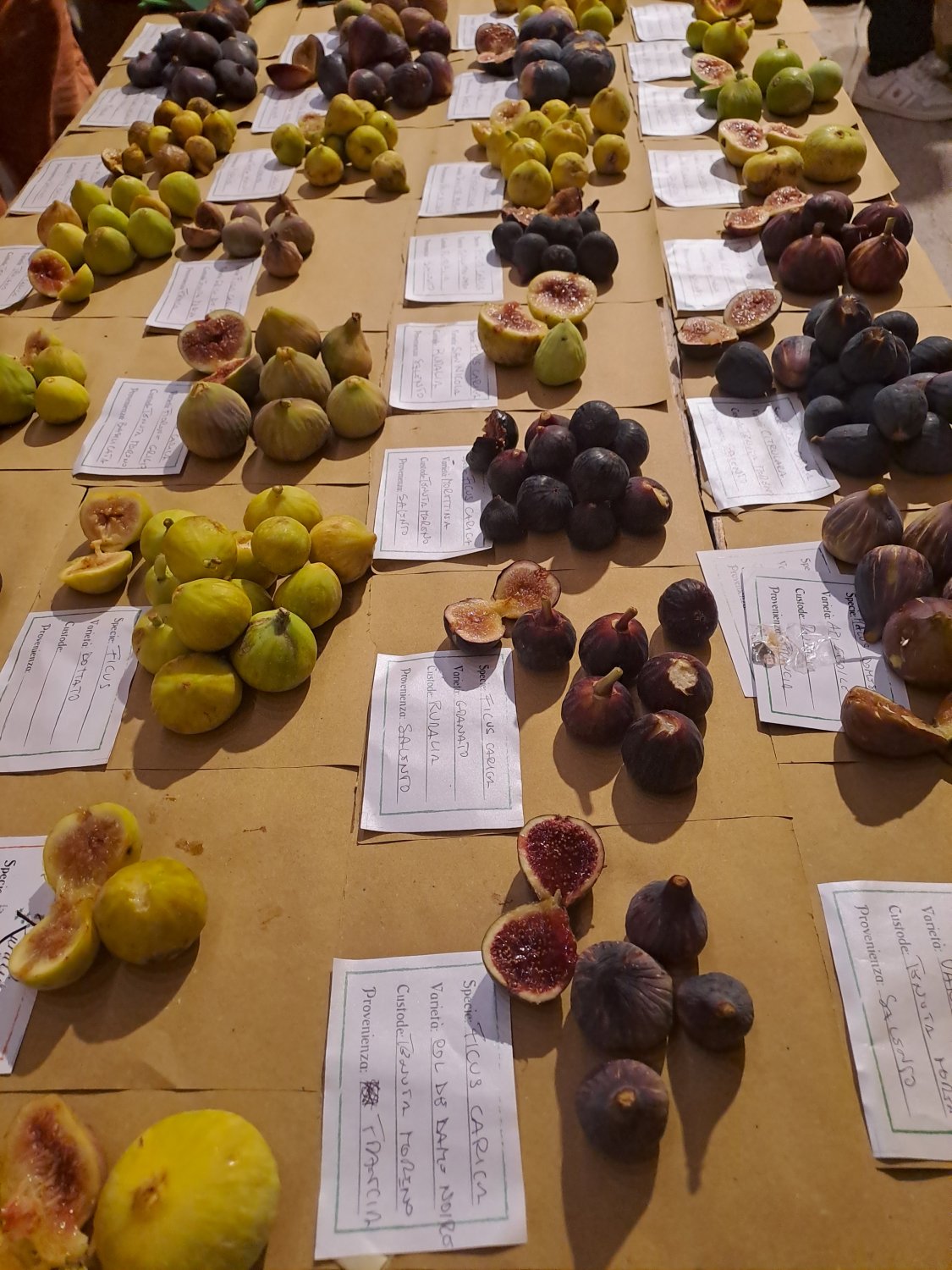
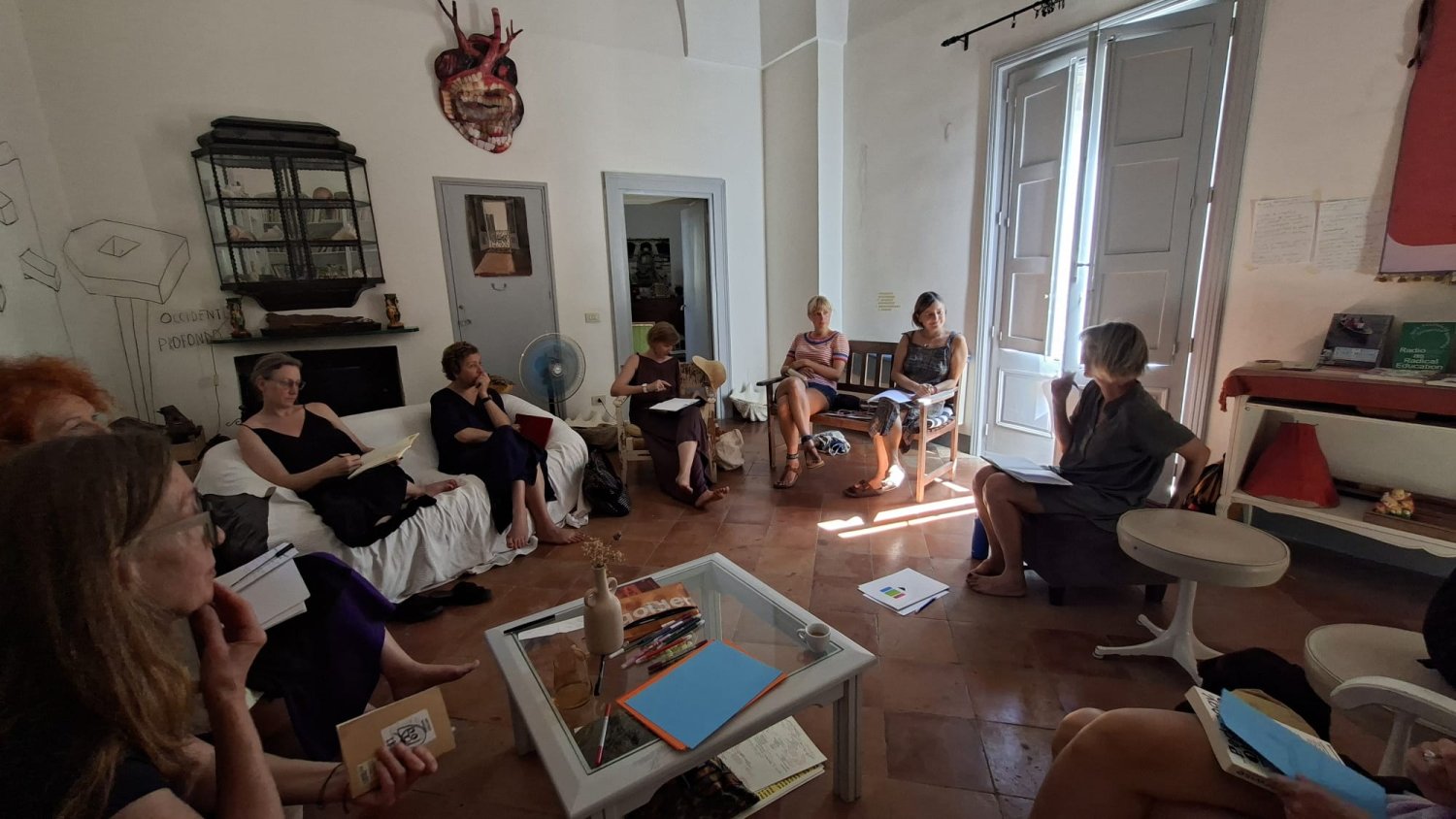
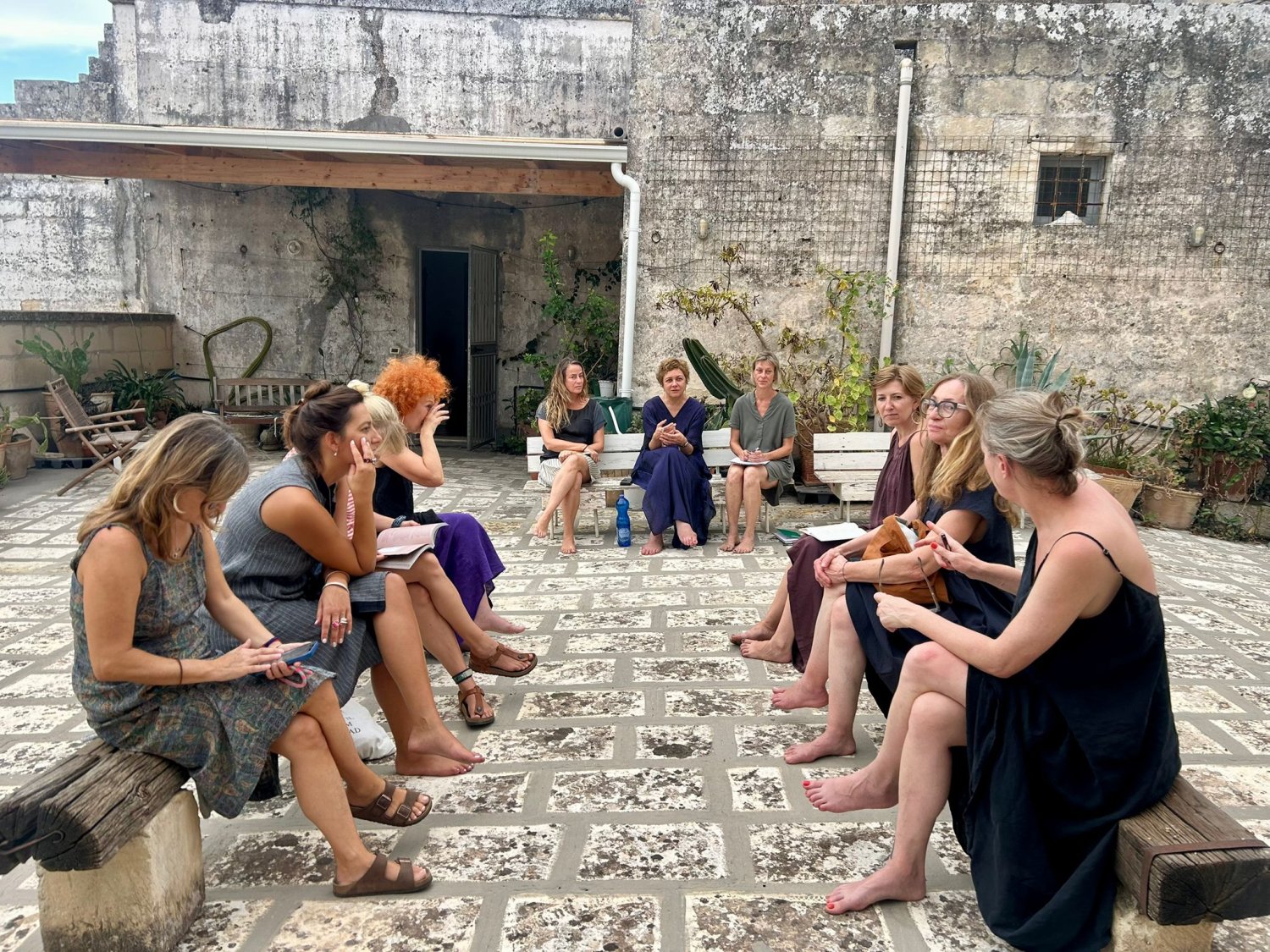
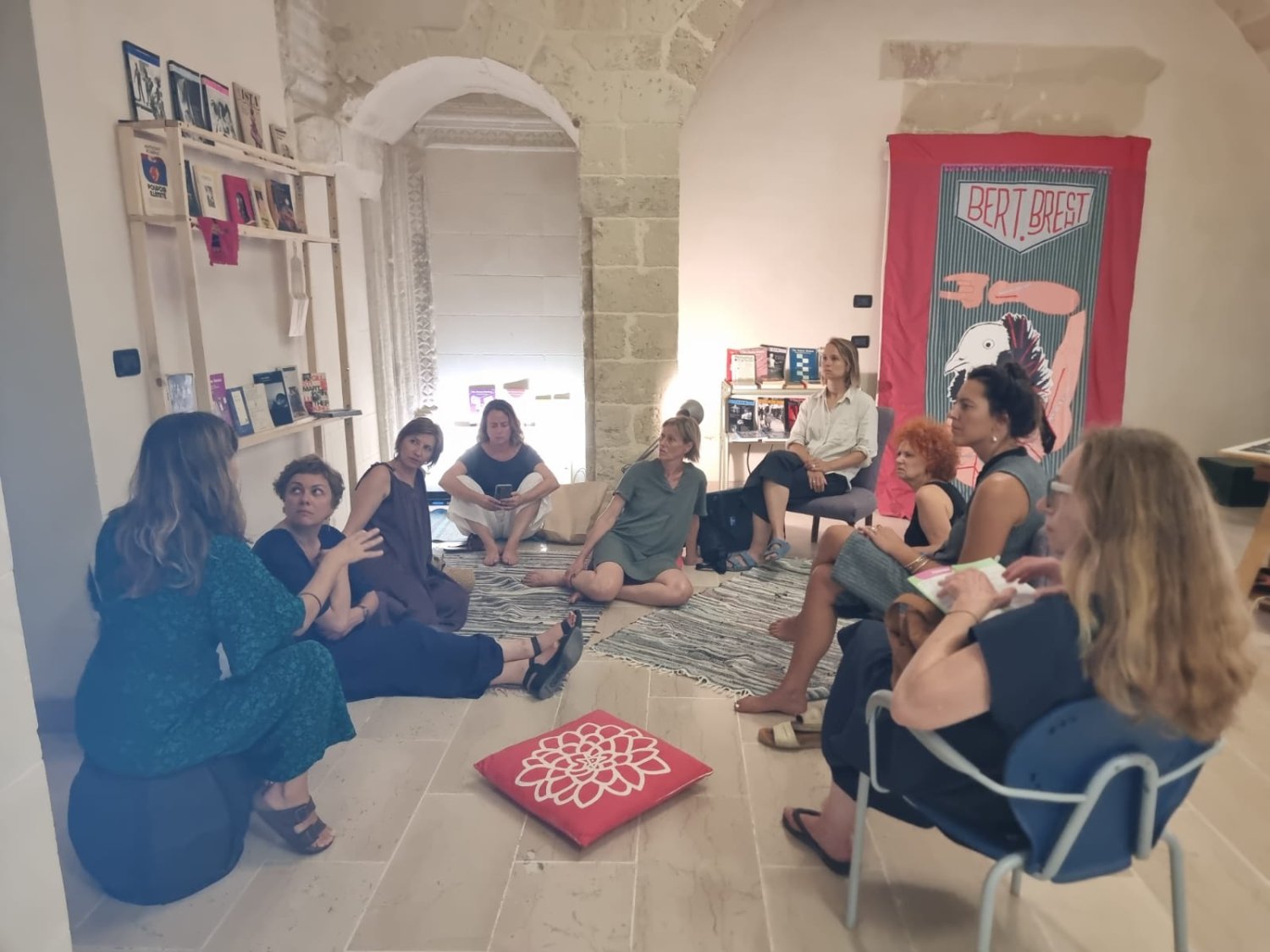
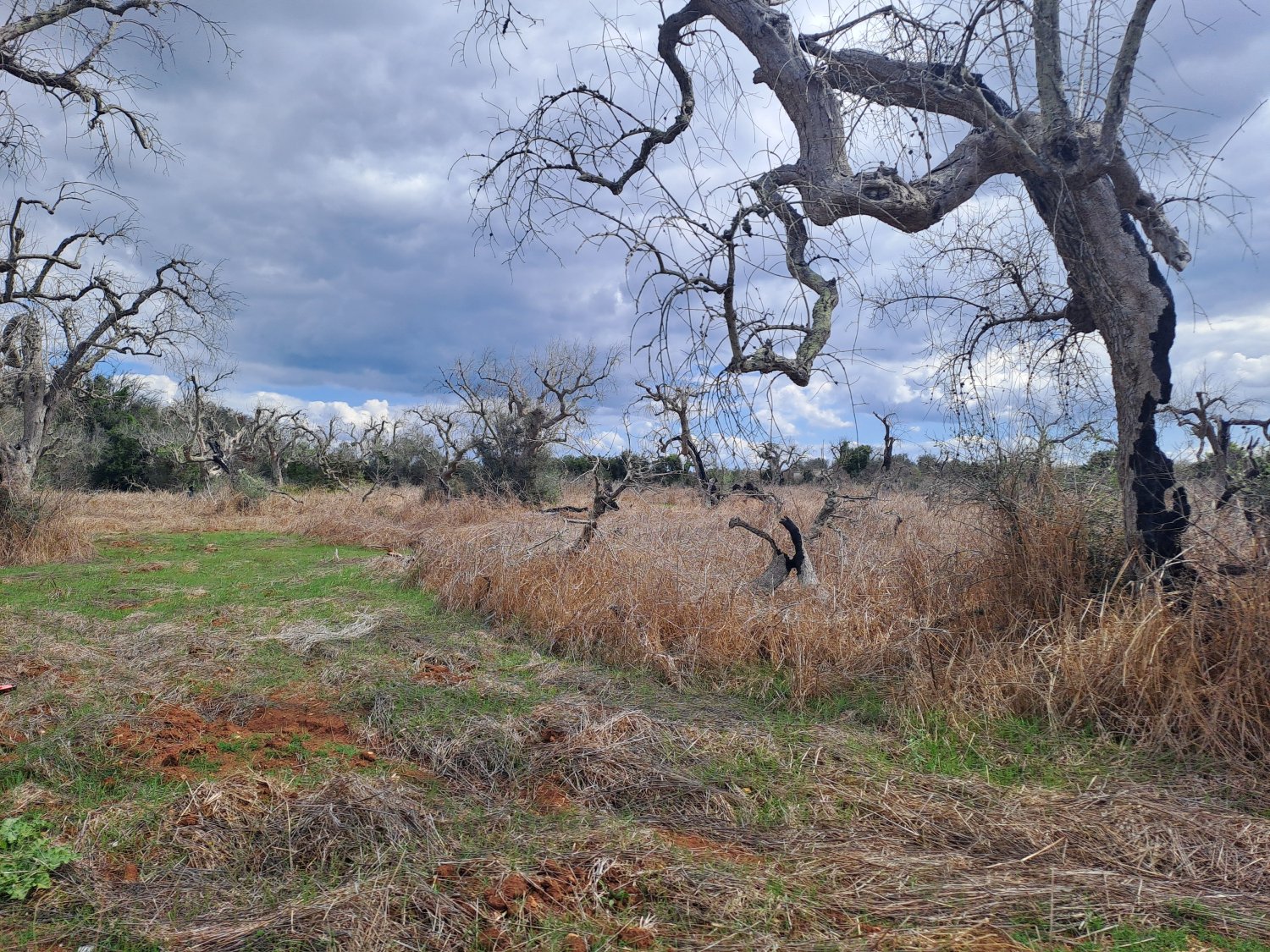
The 2026 annual EoC gathering took place from 1–3 September 2026 in the Salento region of Apulia, Italy, to share and learn from one another’s research, curatorial, artistic, and critical spatial practices around questions of care and repair, while making plans for our future activities. We learned just as much from Salento’s wounded and exhausted land and from the different regenerative, ecological, and community oriented practices taking root there.
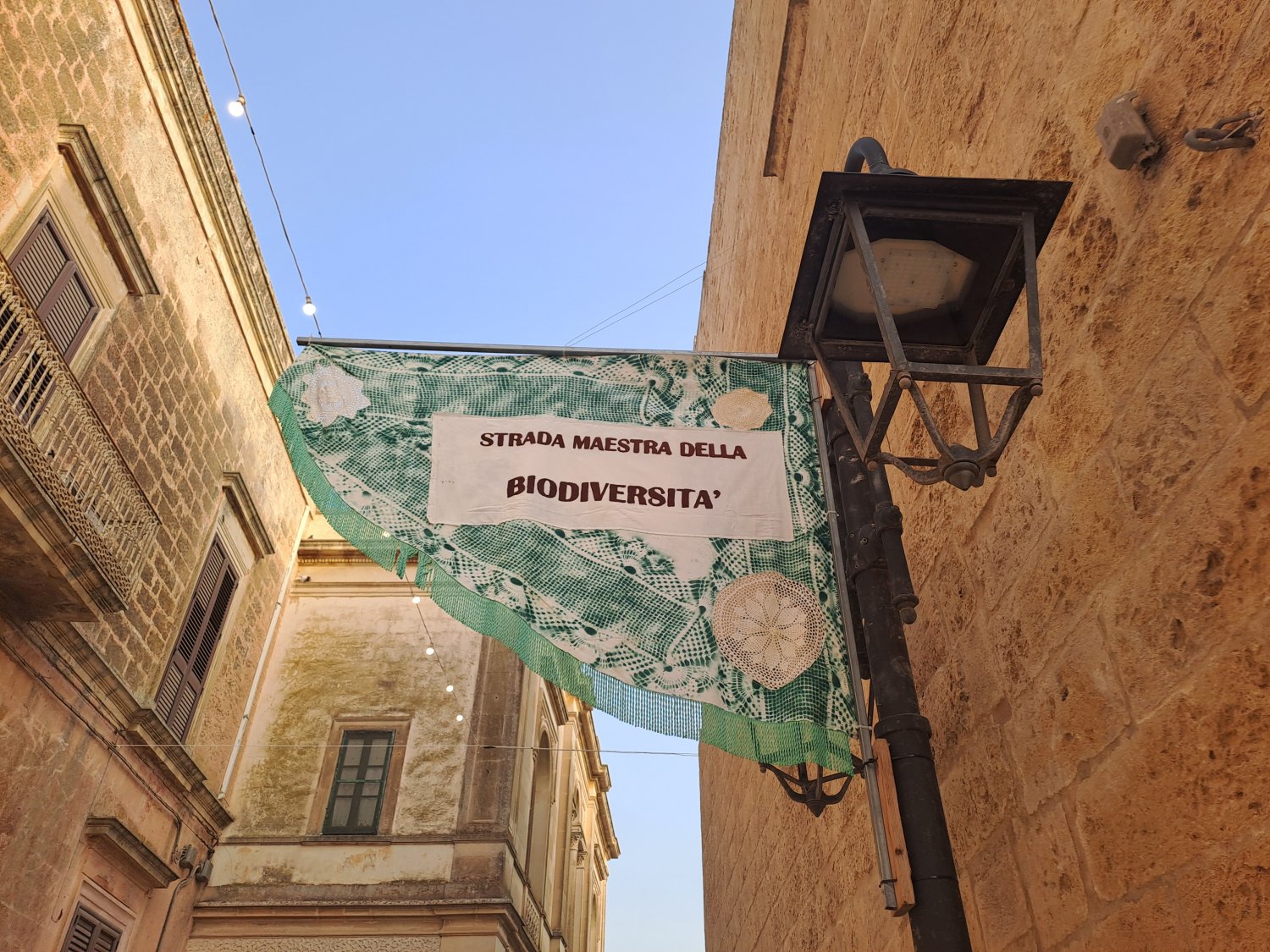
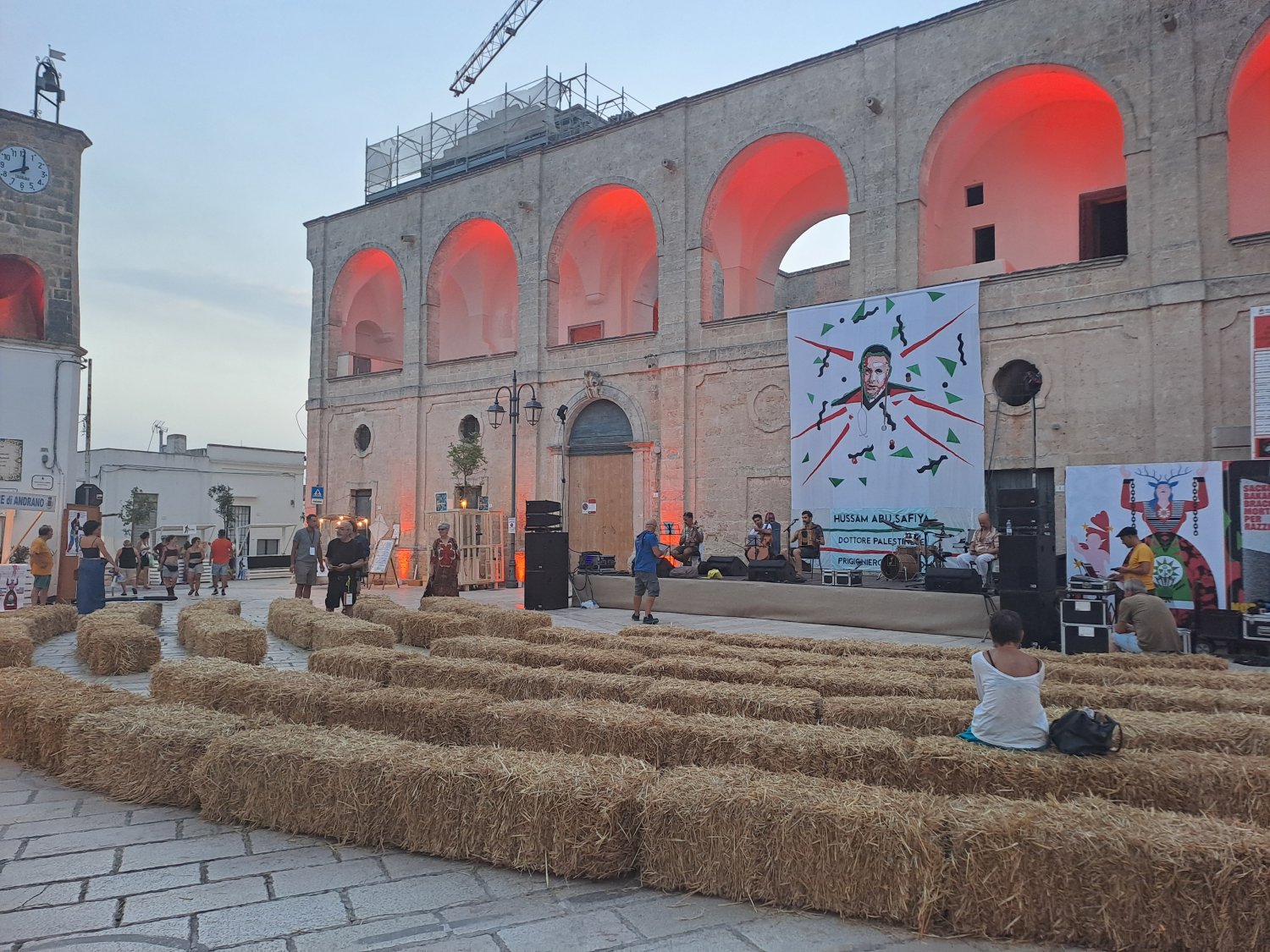
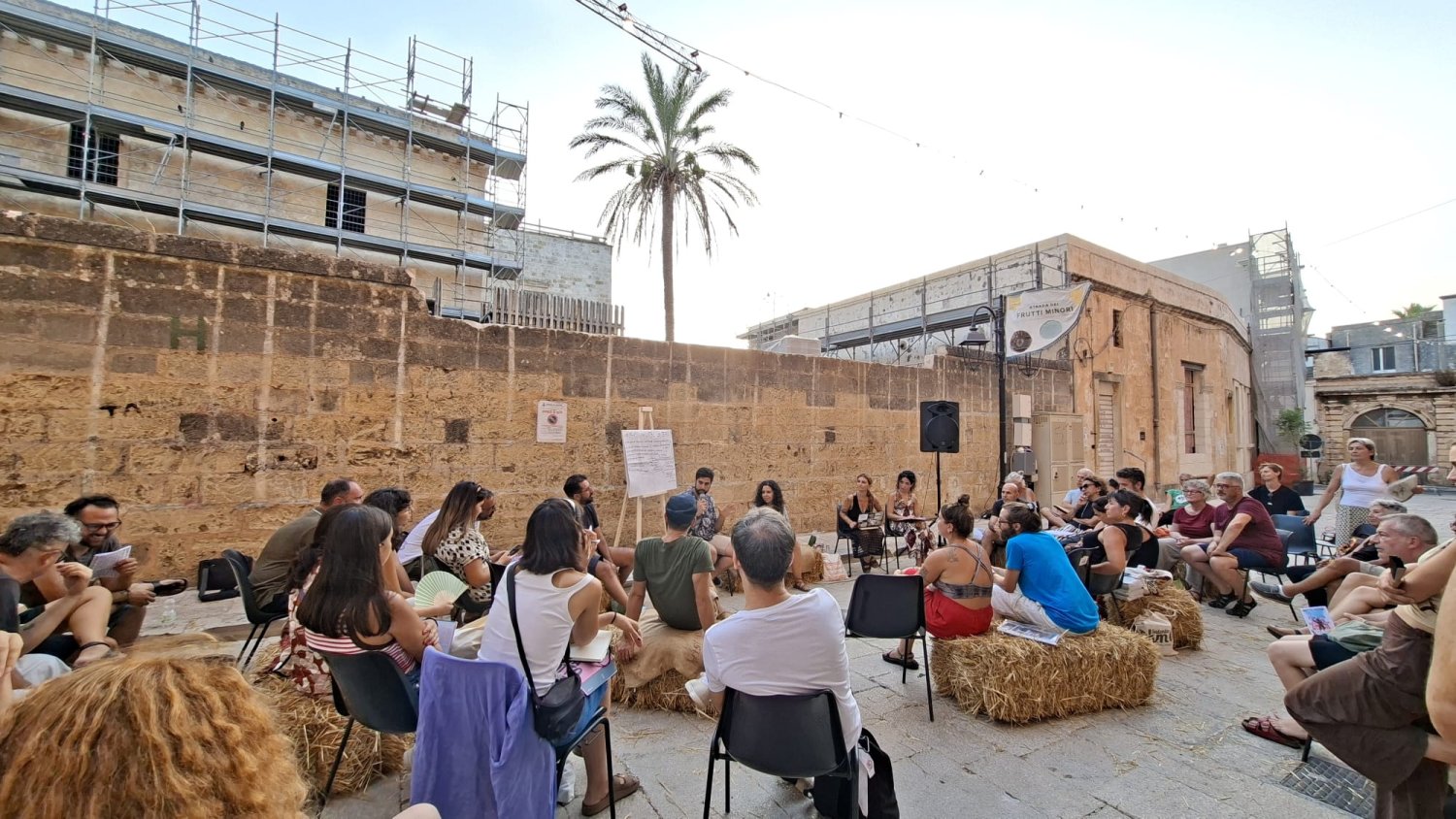
Prior to the annual gathering, some of EoC members attended an incredible festival Notte Verde/Green Night (29–31 August, organized by Casa delle Agriculture in Castiglione D’Otranto).In its 14th edition, the festival, which focuses on agriculture, the environment, ecology, and community, highlighted the themes of peace and the rights of nature. The three-day event featured local initiatives and products, workshops (School of Agriculture), Rural Parliaments, lectures and discussions, a programme for children, concerts, performances, exhibitions, and training for journalists. All activities aimed to inspire and encourage, share knowledge, and promote concrete alternatives to the neoliberal and militaristic politics.
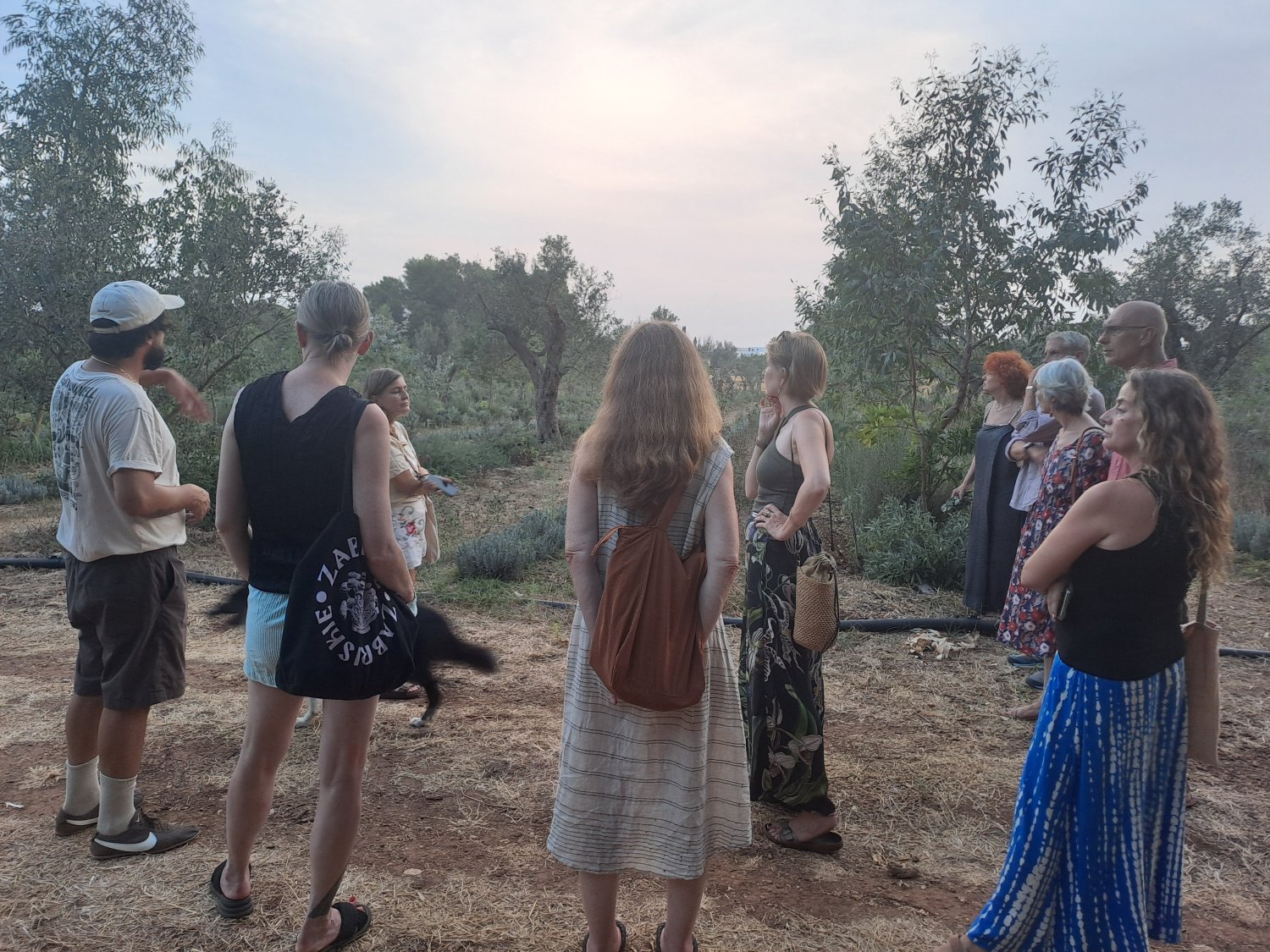
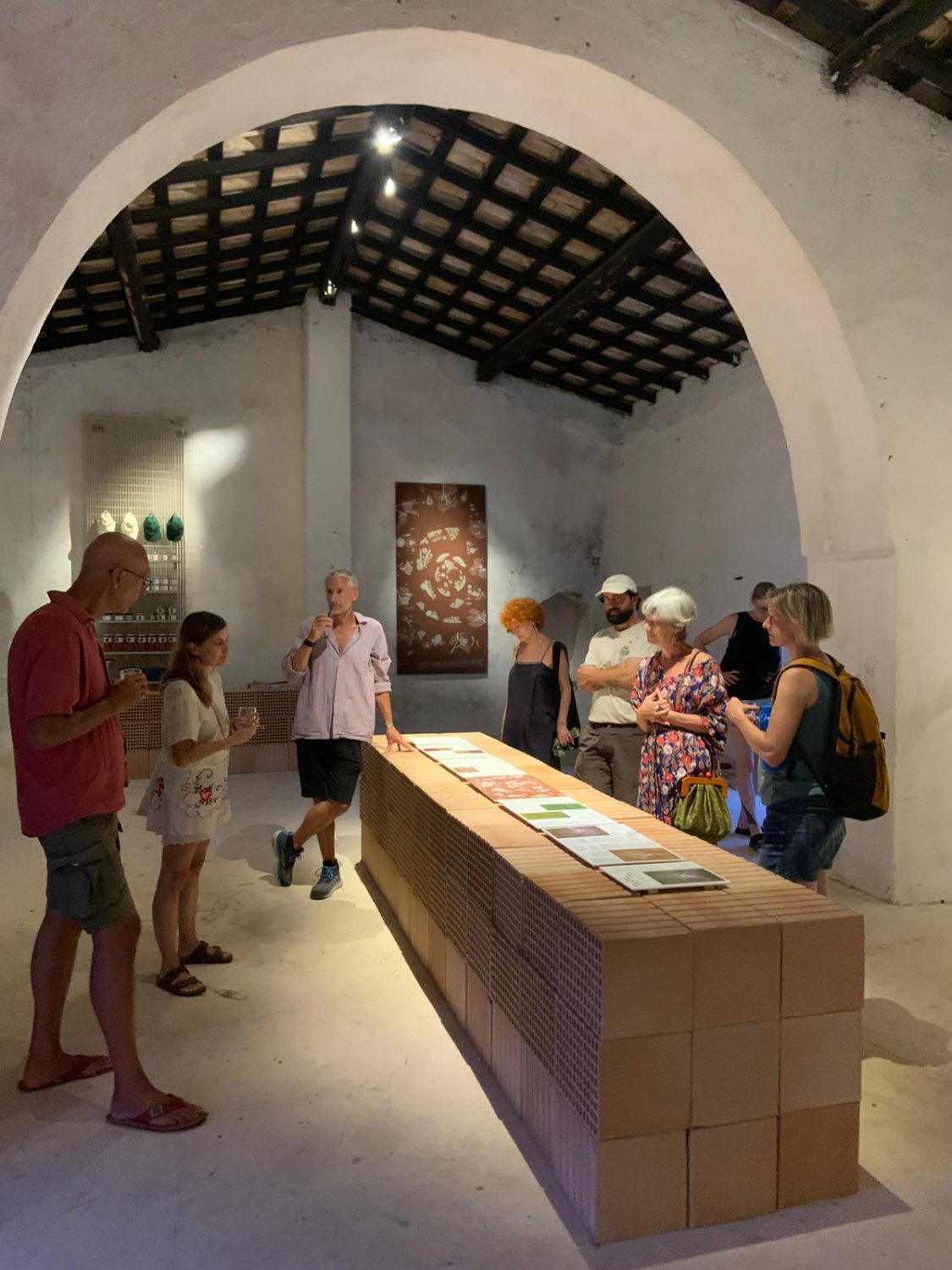
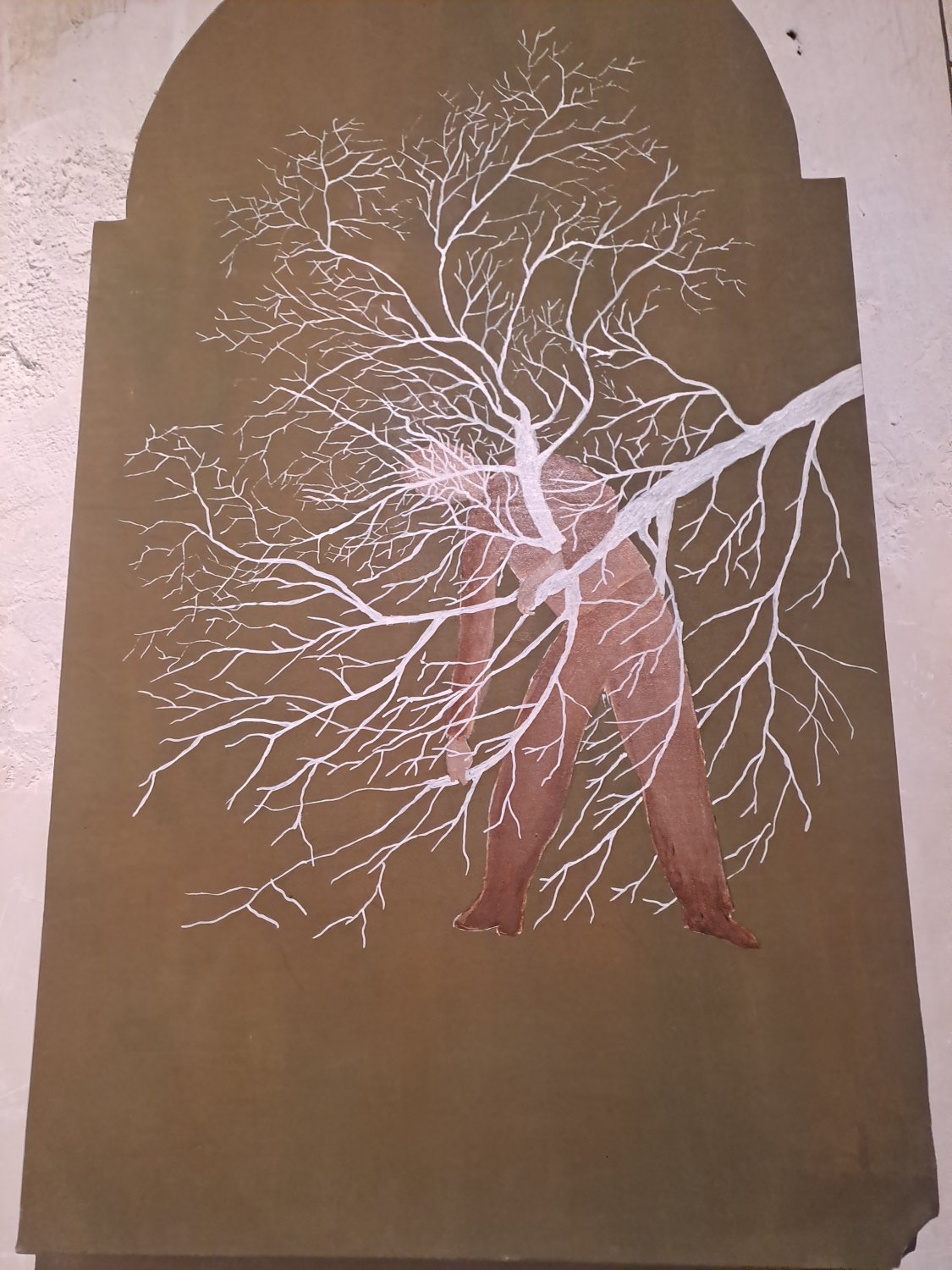
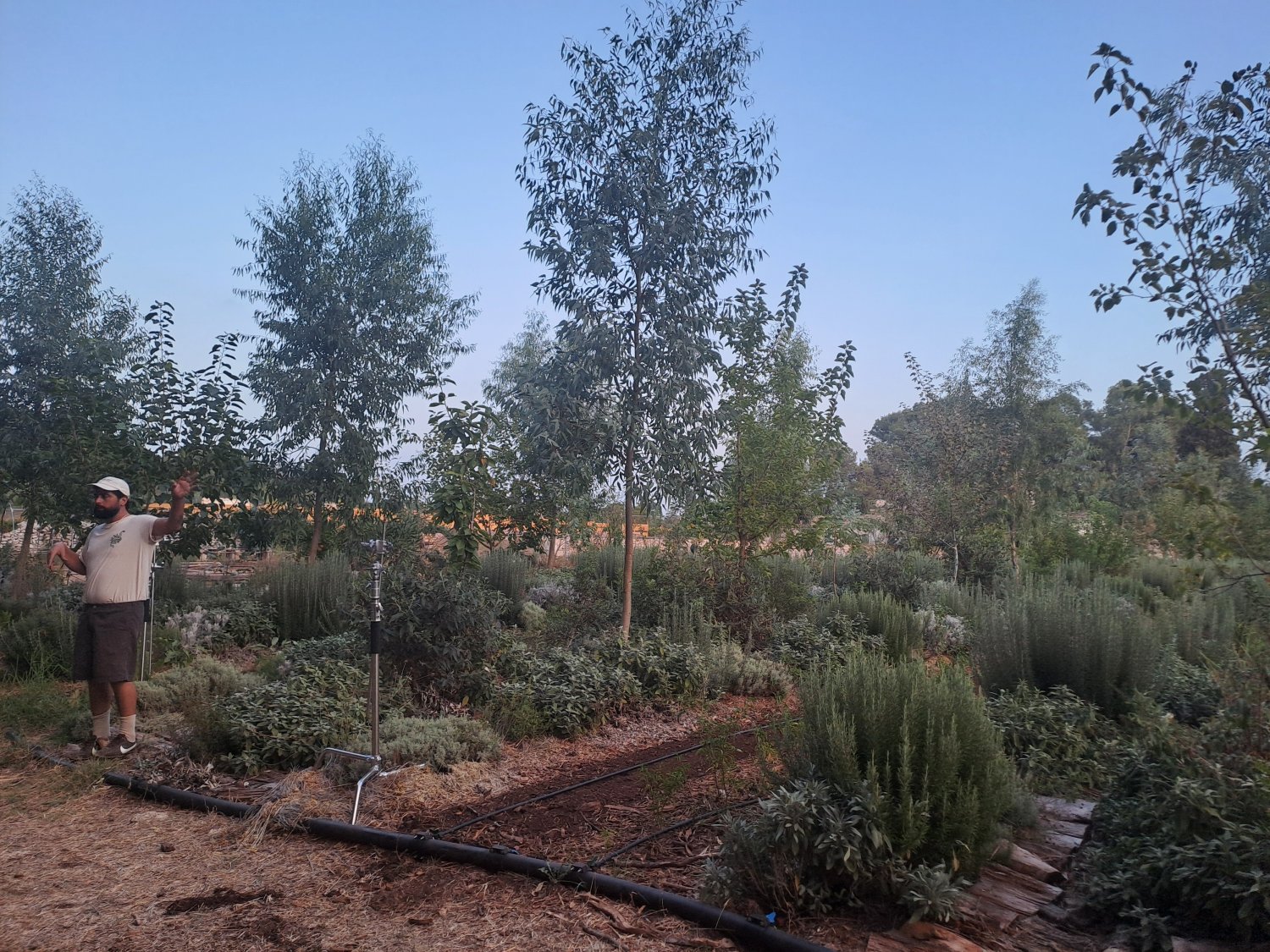
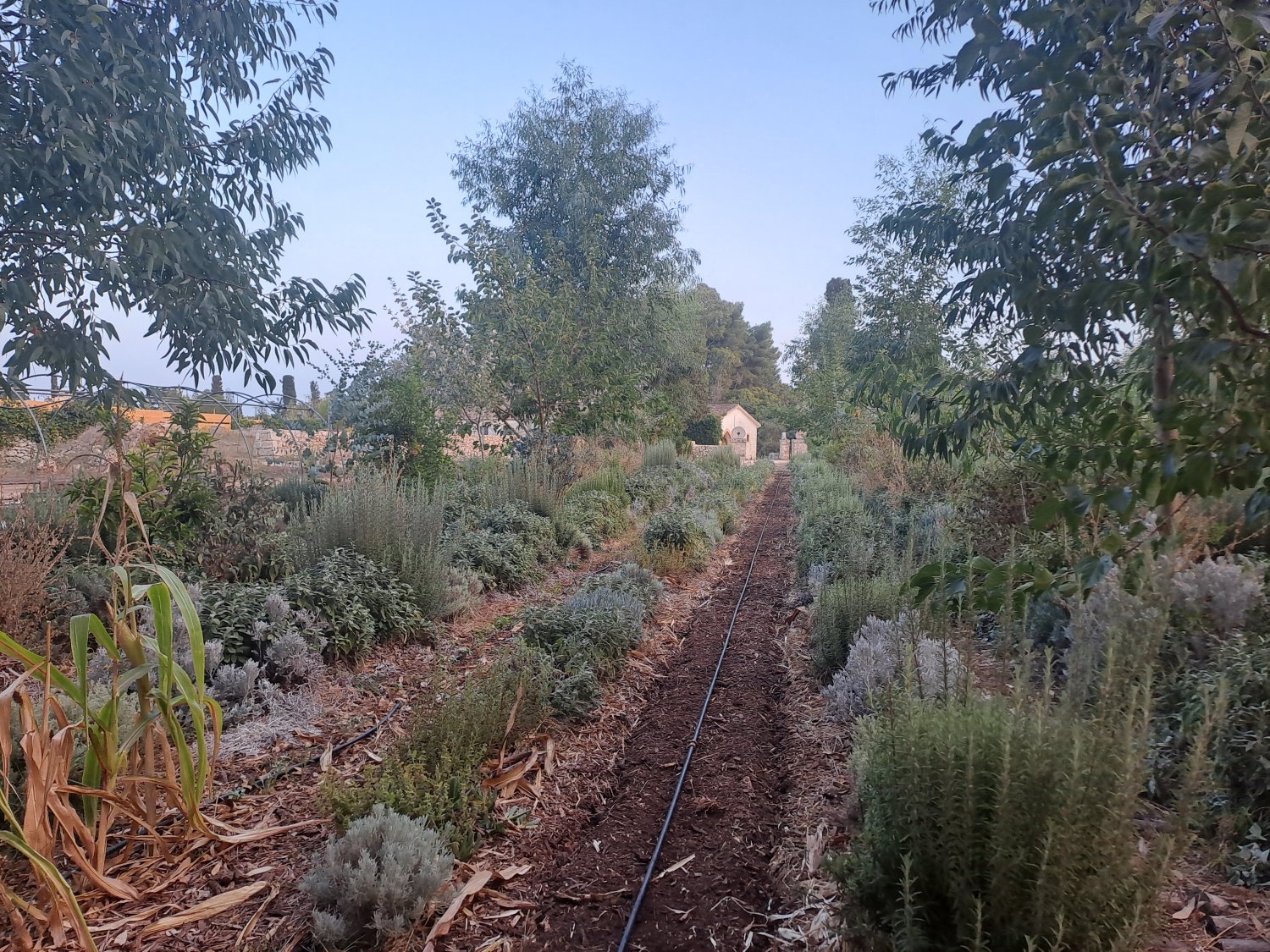
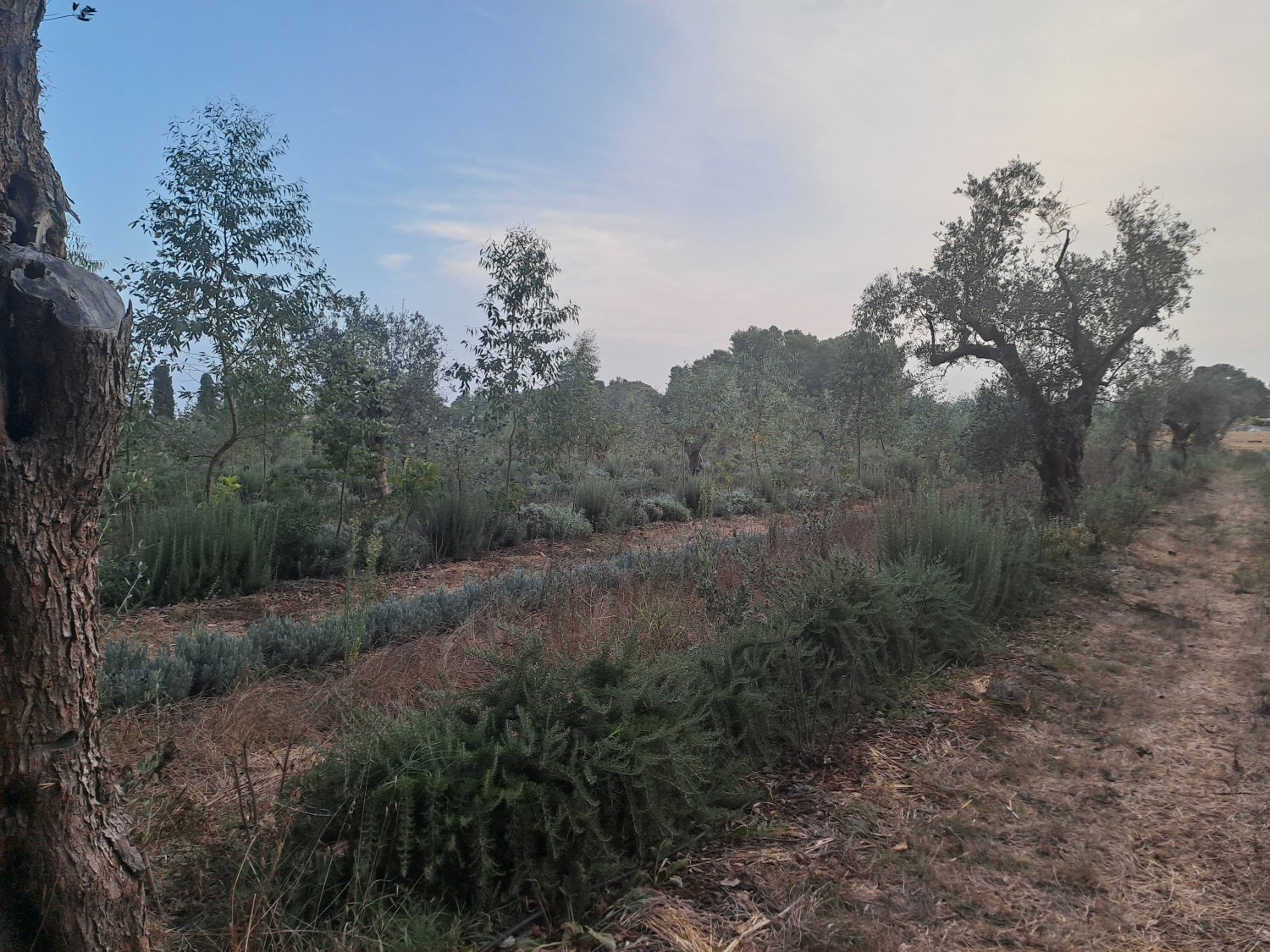
We also visited Amadeco syntropic farm in Depressa, where depleted soil is transformed into fertile ground. Syntropic farming – also known as syntropic or successional agroforestry – is based on nature-based solutions and mirrors how forests regenerate. Unlike conventional agriculture, which relies on inputs like fertilizers to counter entropy (degradation), syntropic farming builds syntropy by accumulating diversity, complexity, organic matter, and life in the soil over time. At the gallery of the Amadeco farm, we explored Vinculum, an exhibition by Luigi Coppola. The exhibition speaks of Coppola’s dedication to the regenerative forces of nature and to an alternative approach to prevailing management of Apulia’s olive fields infected with the bacterium Xylella fastidiosa. Instead of burning or cutting down infected trees, the artist spent years caring for infected trees and soil in his olive grove. The exhibition speaks not only about the consequences of extractive, monoculture farming practices, but equally about the need – and potential – to restore a bond (vinculum) between humans and the rest of nature, a bond that can be mutually healing for humans and, in this case, for olive trees and soil.
Our gathering included also visits of lac o le mon Foundation – an experimental house for the arts and self-led education, and an archival exhibition on Cristine Cibils’ revolutionary theatre practice (curated by Alessandra Pomarico, Maria Chiara Provenzano, and Greta Plaitano in Lecce).
Salento gave us an intensive and inspiring lesson to think further about care, repair, and collective action.
The annual gathering in Salento was organized and convened by Alessandra Pomarico, Elke Krasny, and Urška Jurman.
Photographs by: Daria Bocharnikova, Nicola Feiks, Urška Jurman, Inês Moreira, Alessandra Pomarico, and Denisa Tomková.